Useful help begins with a defined role.
Not every person belongs in the river or on a chainsaw. Restoration also needs records, food, history, transportation, logistics, and technical judgment.
Match the person to the work.
Field support
Loading, sorting, shoreline assistance, launch support, cleanup, and documented work within a safe scope.
Documentation
Photos, GPS points, field notes, data entry, file organization, and before-and-after records.
History and research
Maps, deeds, newspapers, interviews, transcription, local knowledge, and artifact identification.
Skilled assistance
Equipment, trades, safety review, environmental knowledge, media, legal, accounting, or technical support.
Event and crew support
Food, water, sign-in, transportation, printing, outreach, and family-friendly public events.
Organizational partnership
Agencies, schools, churches, conservation groups, businesses, and landowners can each carry part of a defined project.
No volunteer is more useful than the system protecting them.
Field work depends on permission, weather, equipment, water conditions, property boundaries, and the ability of the crew present. A volunteer may be reassigned or a site may be postponed when the scope is not safe.
Households and landowners are not content. Private details are collected only when needed to screen and complete work.
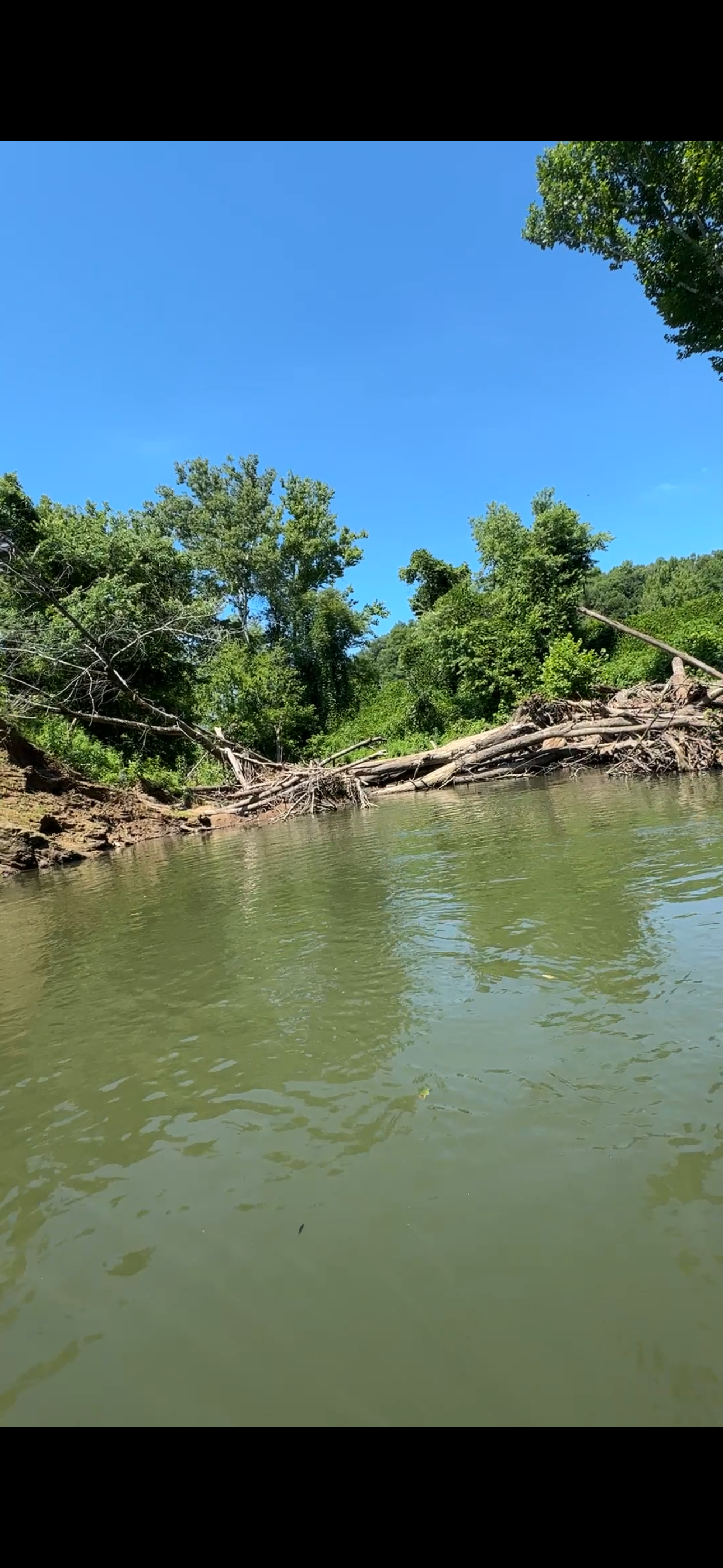
Tell us what you can reliably carry.
Consistency is more valuable than overcommitting.